
Skip to content

Cart

Your cart is empty

POSTPARTUM CARE

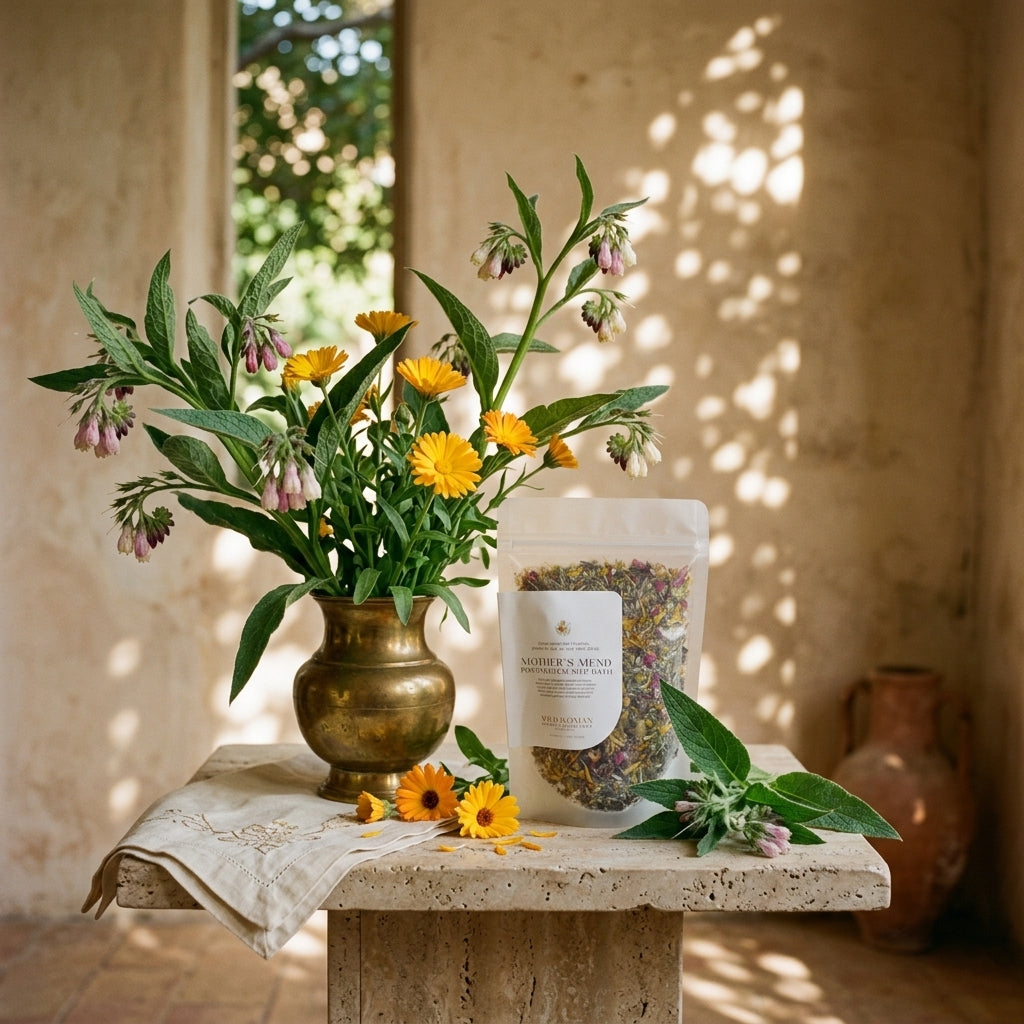
Mother's Mend Herbal Sitz Bath

gentle herbal care for the postpartum body

Sale price$24.00

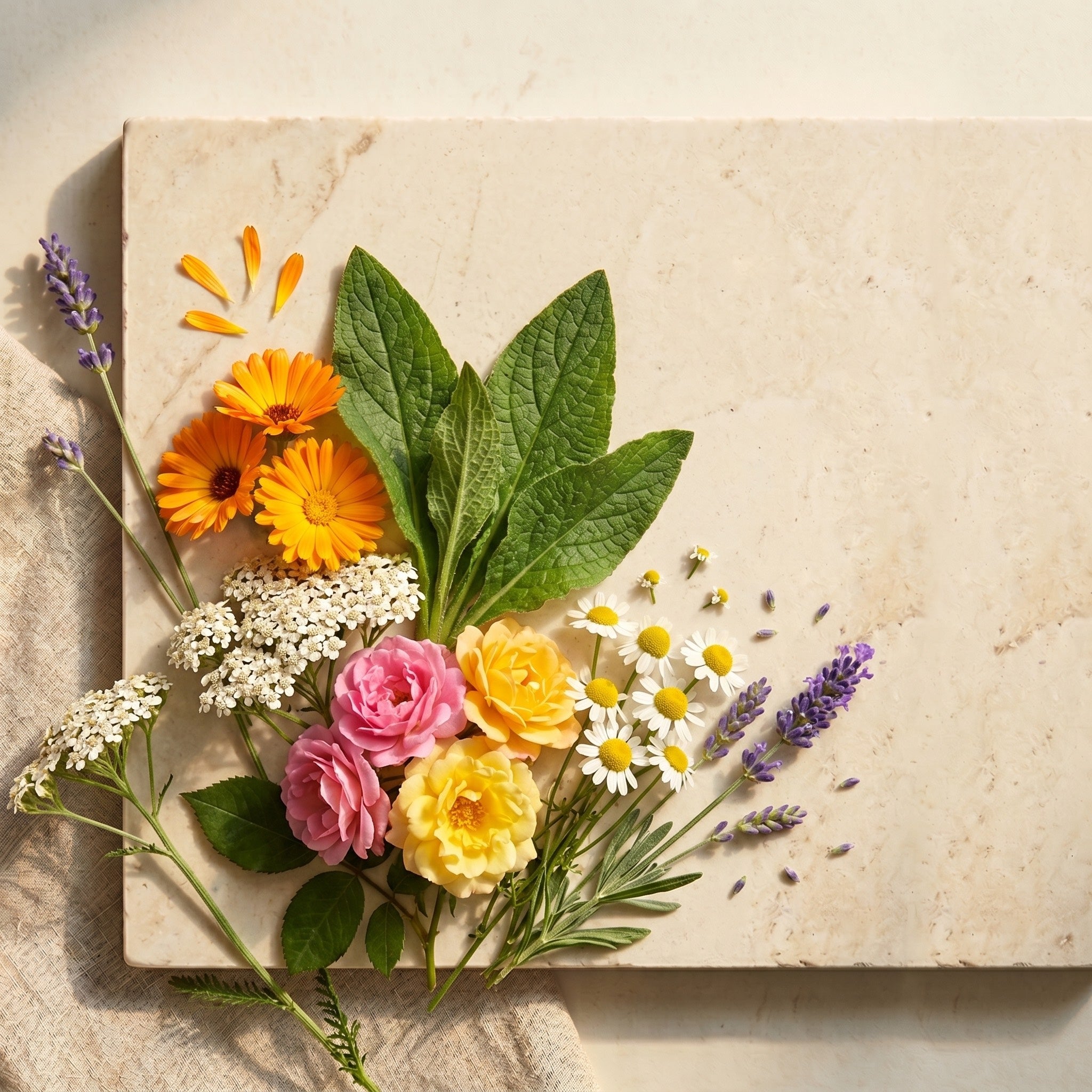
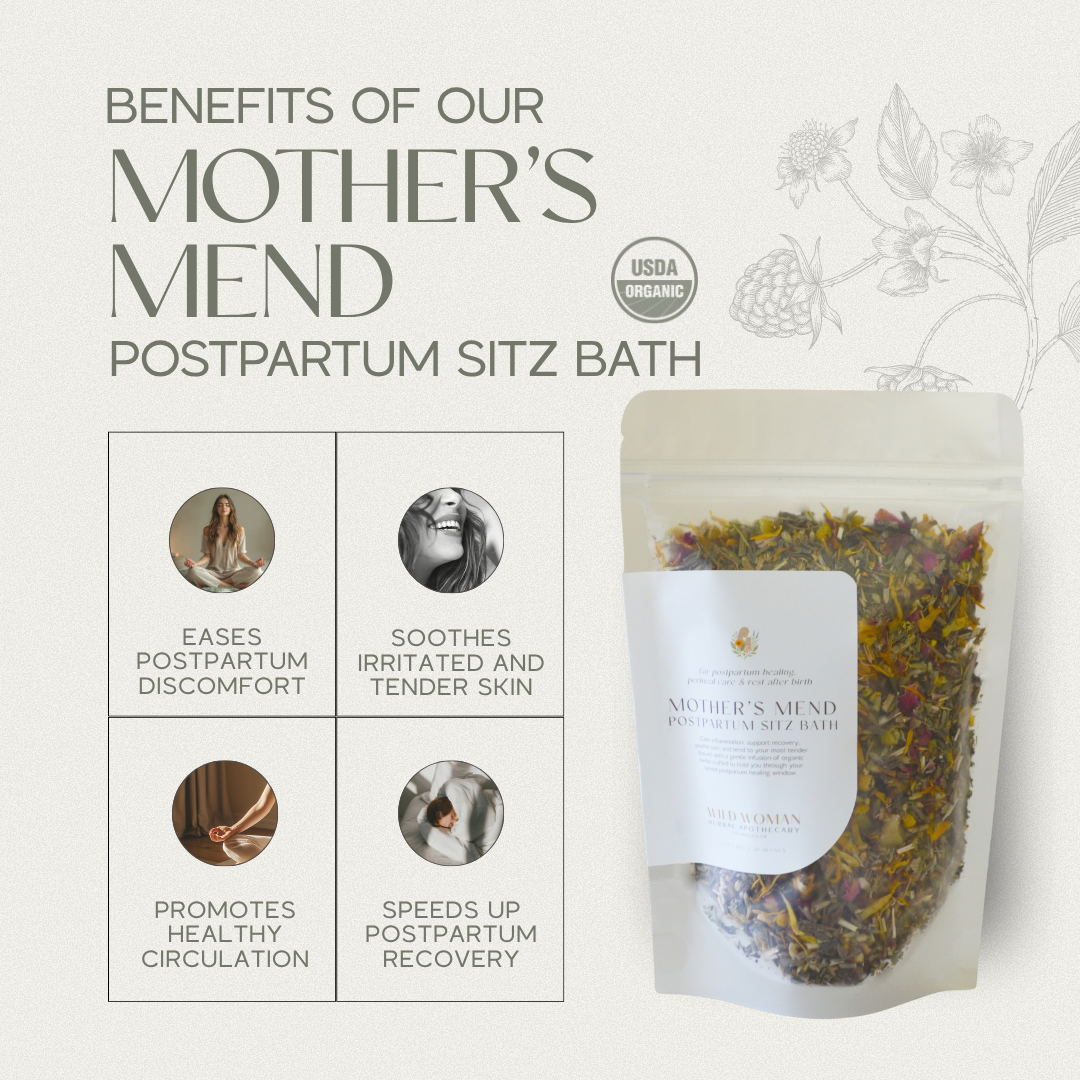
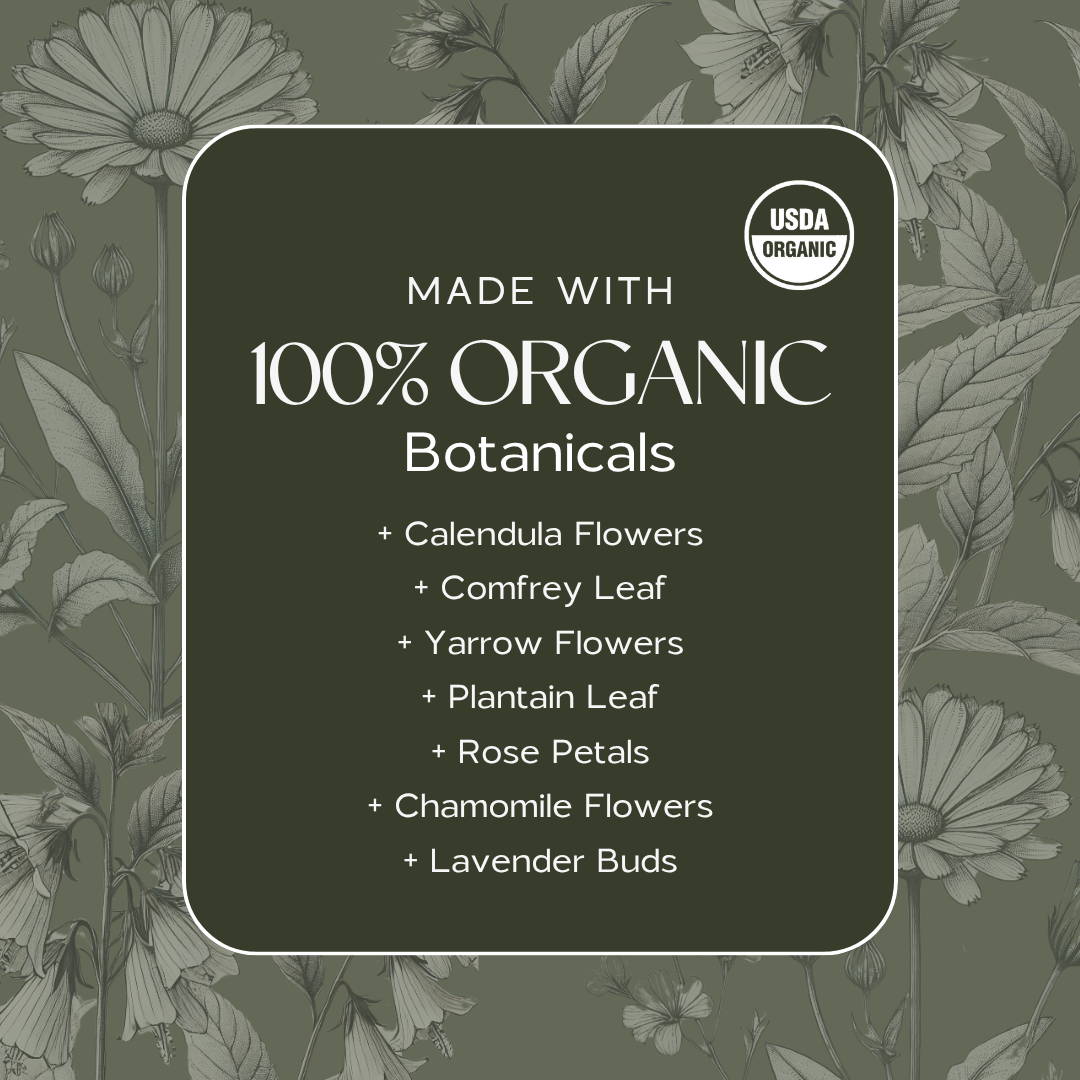
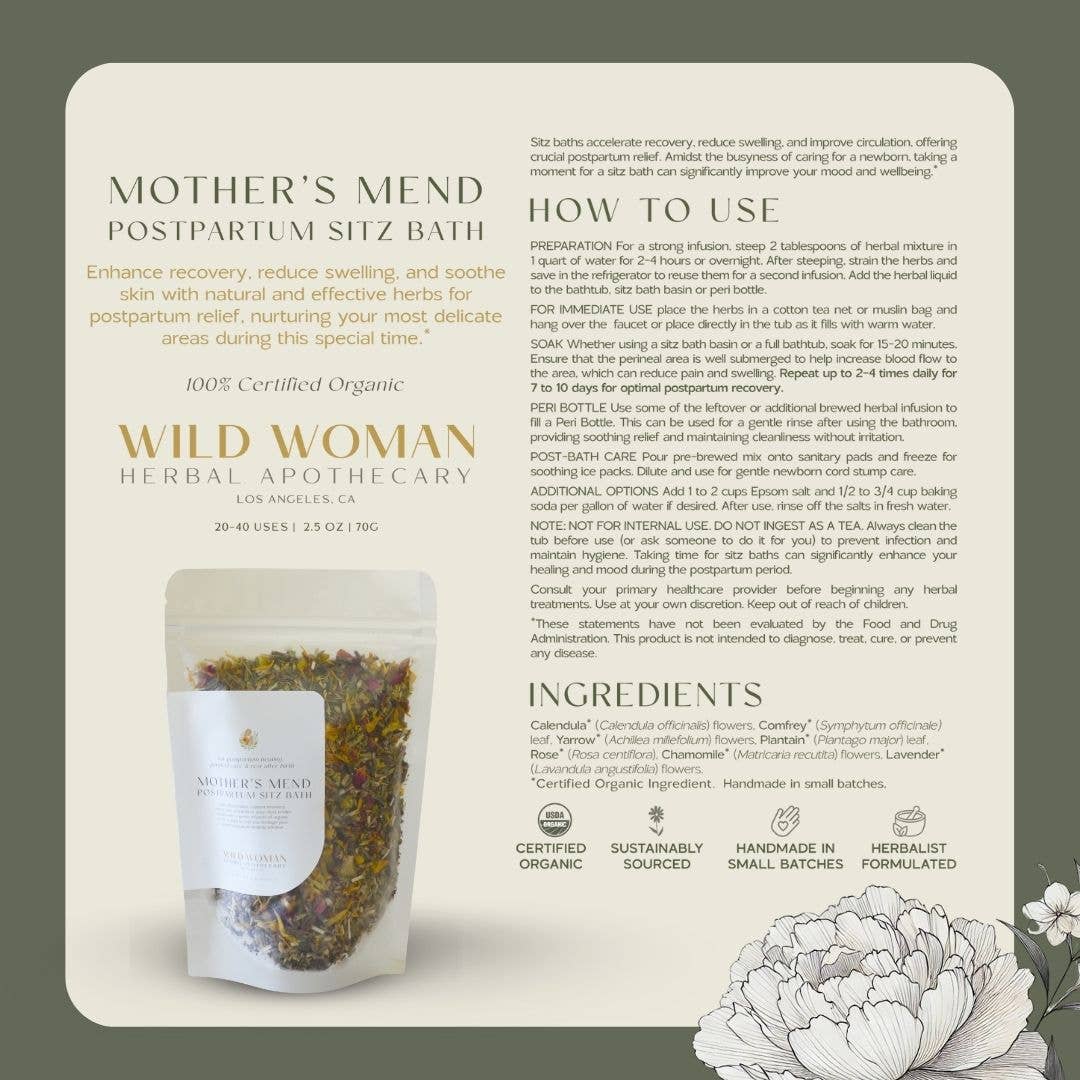
Some traditions never needed improving: for generations, midwives have steeped postpartum sitz bath herbs into warm water as a first act of care for the body that has just done the oldest work there is. Calendula, comfrey, yarrow, plantain, rose, chamomile, lavender, brewed strong and strained well for the most tender season of a woman's life. Sink into the warmth, and let yourself be the one who is held.

floral · meadow-green · warm steam · softening

Mother's Mend Herbal Sitz Bath
Mother's Mend Herbal Sitz Bath Sale price$24.00

Mother's Mend

PRODUCT DETAILS

The Plants

In many midwifery traditions, the first thing brewed after a birth is not tea for drinking but a pot of herbs for the bath. Calendula and chamomile, the skin-soothing flowers. Comfrey and plantain, the broad green leaves women have steeped for tender skin for centuries. Yarrow, the old bathing herb of the postpartum body. This blend belongs to that lineage, and it asks nothing of the mother except to sit in warm water.

Each plant holds a different part of the work. The flowers meet the skin where it is most delicate. The leaves carry the deep green steadiness of the European bathing tradition, where herbs were trusted to keep company with a body in transition. Rose and lavender are here for the woman herself: the softness, the scent, the signal to the nervous system that she is allowed to stop.

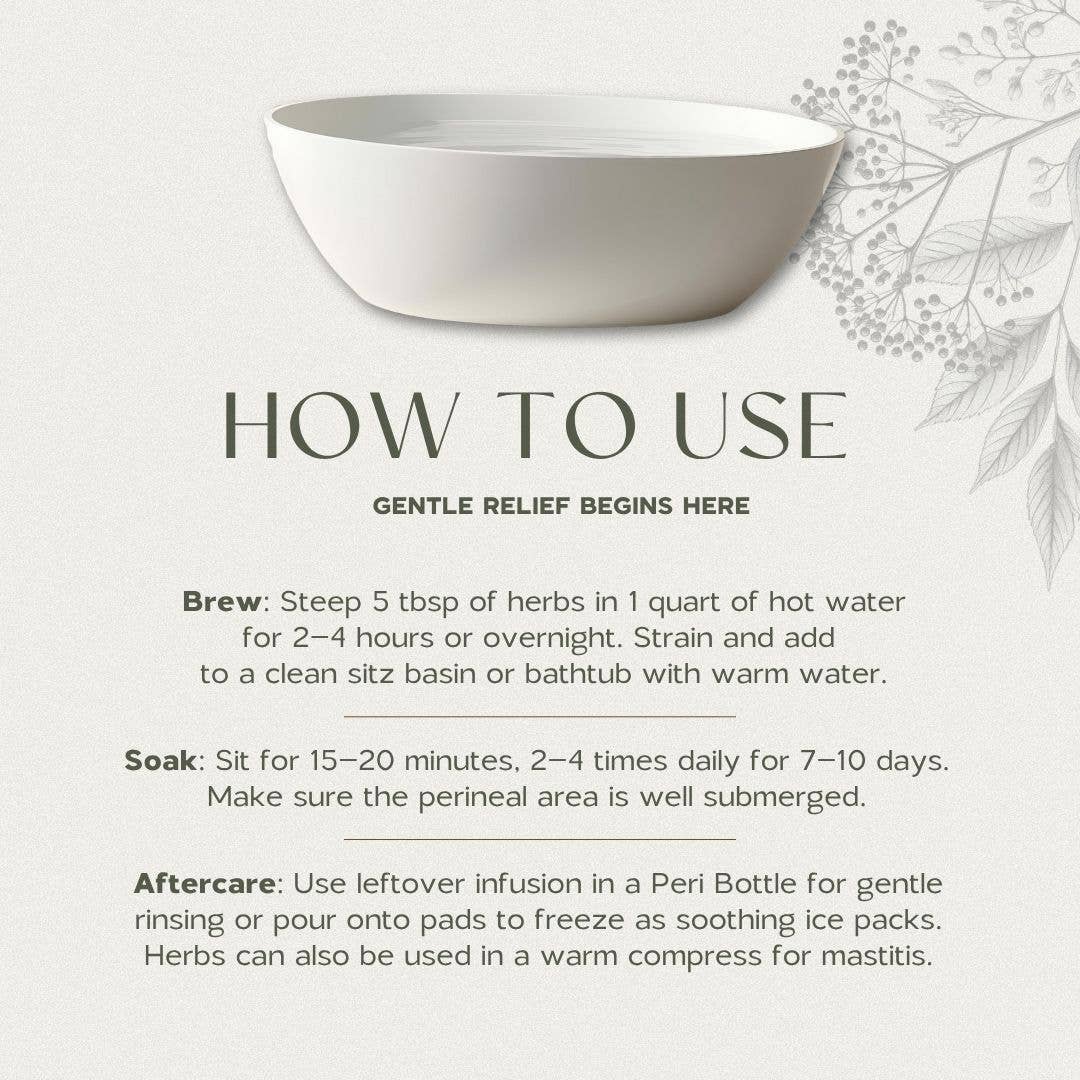
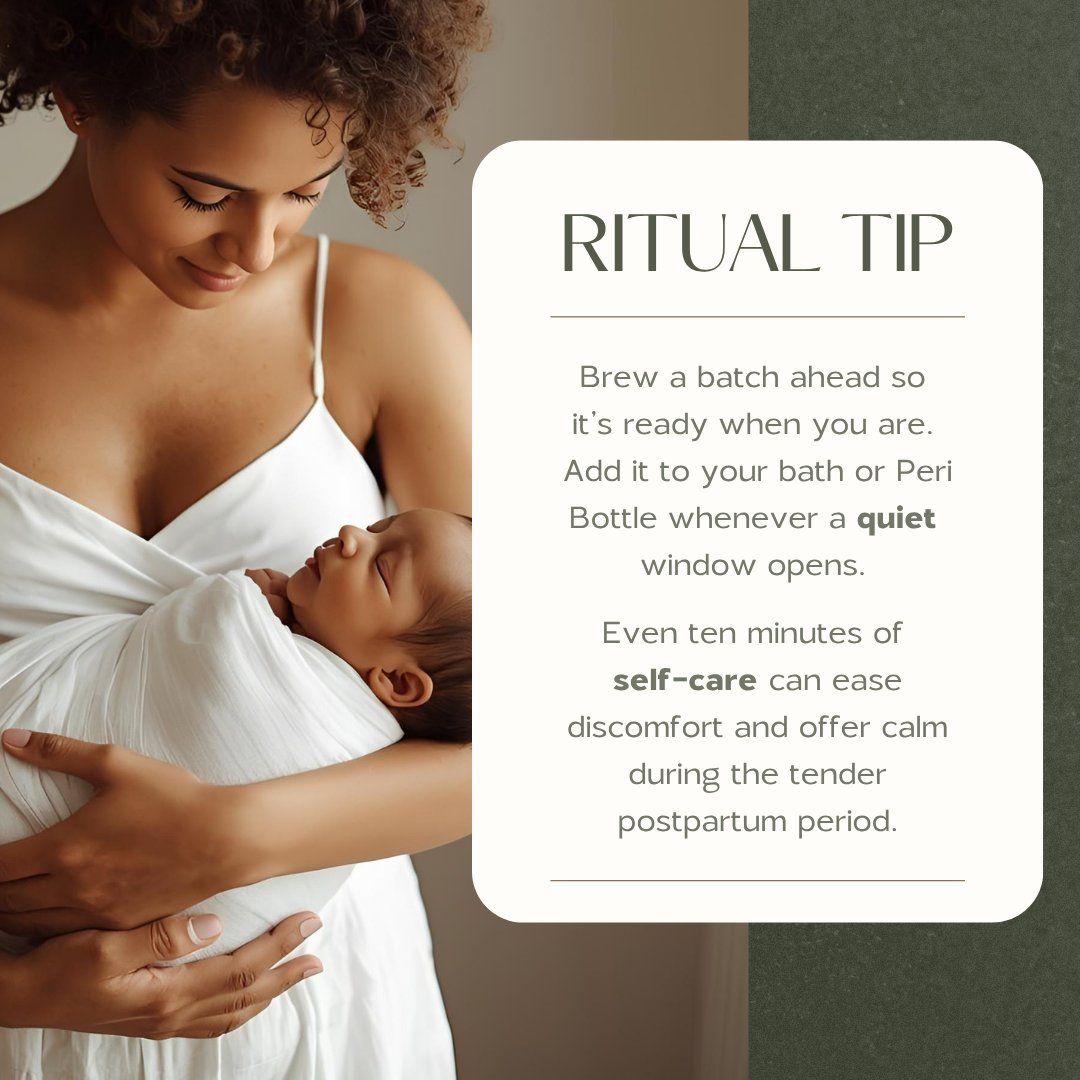
One strong infusion becomes many kinds of care: a sitz bath, a peri bottle rinse, a warm compress, a soak. The postpartum season rarely asks for one thing at a time, so the formula was composed to move with her, day by day, in whatever form the moment calls for.

Scent & Feel:

Scent & Feel:

chamomile and lavender · soft green steep · gentle on the skin

Season of Life

Season of Life

The first weeks of motherhood

Pairs With

Pairs With

Warm wrapping · dim light · meals brought to you

Energetics

Energetics

Softening · warming

Scent & Feel:

Scent & Feel:

chamomile and lavender · soft green steep · gentle on the skin

Season of Life

Season of Life

The first weeks of motherhood

Pairs With

Pairs With

Warm wrapping · dim light · meals brought to you

Energetics

Energetics

Softening · warming

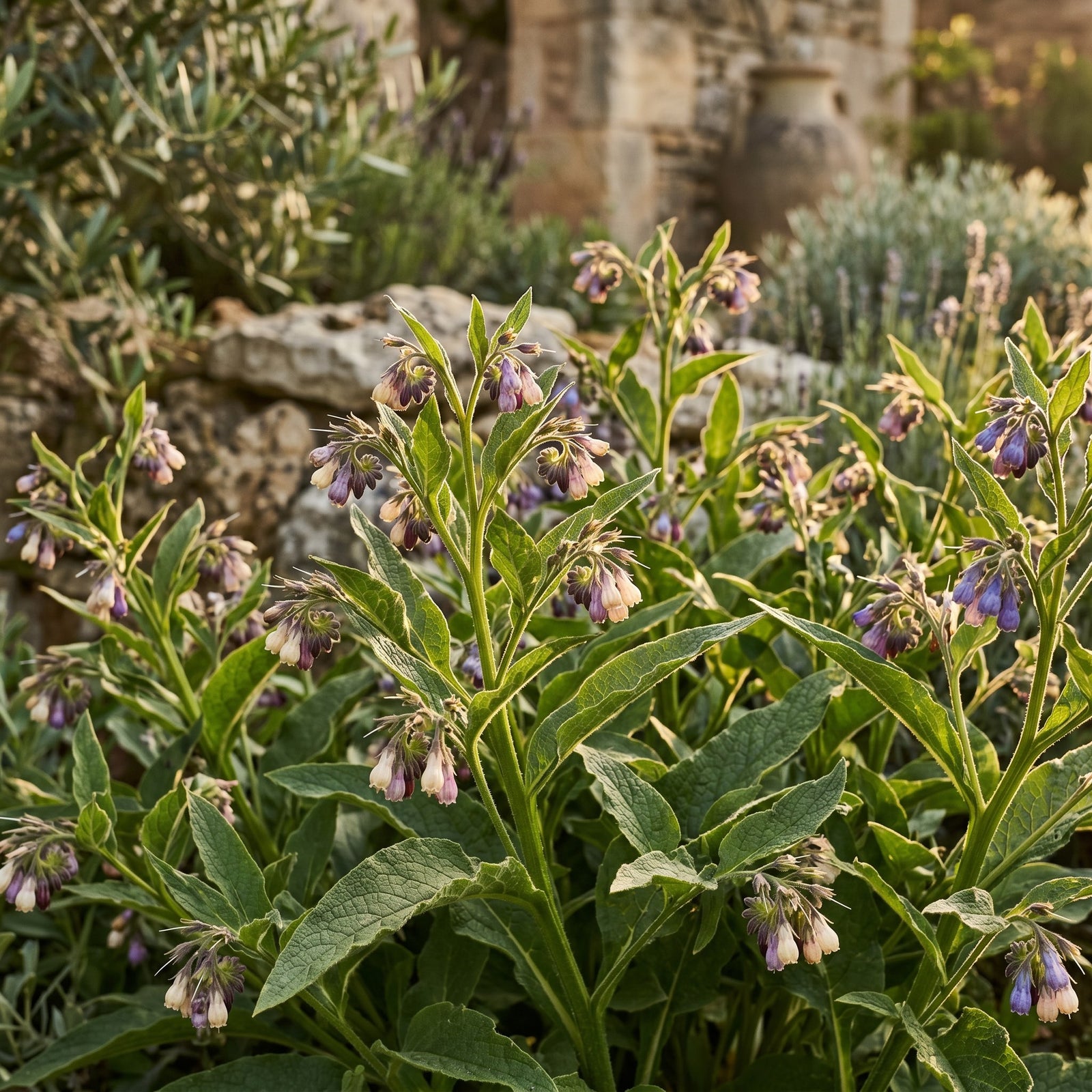
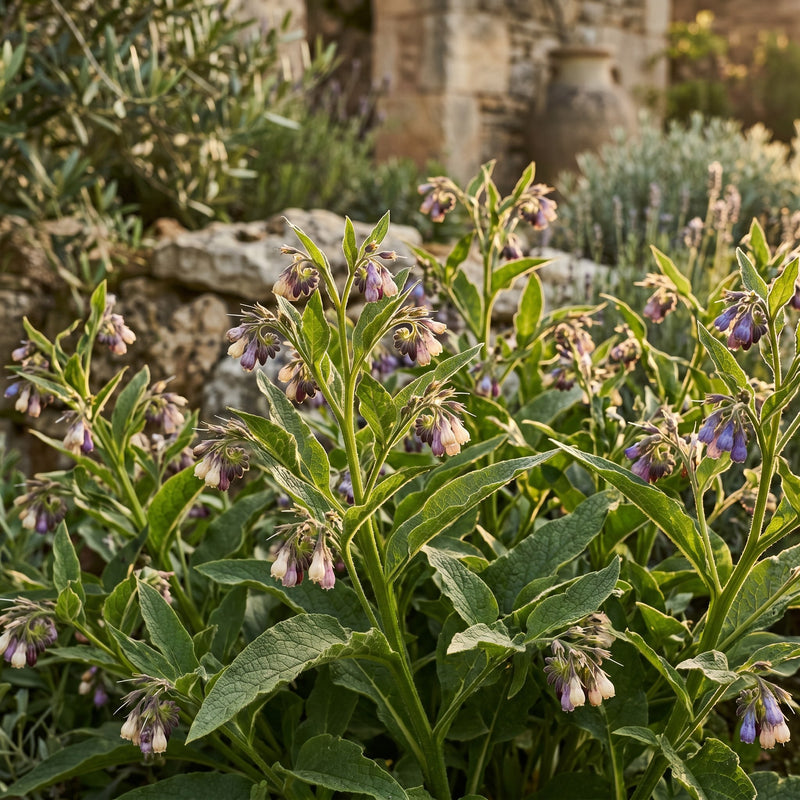
Comfrey Leaf

Comfrey grows thick and generous along streambanks and old garden edges, with leaves so large they seem made for gathering. In the European bathing tradition its broad leaves were steeped into baths and compresses for the body's most tender seasons. I work with comfrey for external use only, which is how the tradition holds it best, and I will tell you that plainly because an herbalist owes you the whole truth of a plant. In warm water it gives a silky, deep-green softness you can feel the moment you sink in.

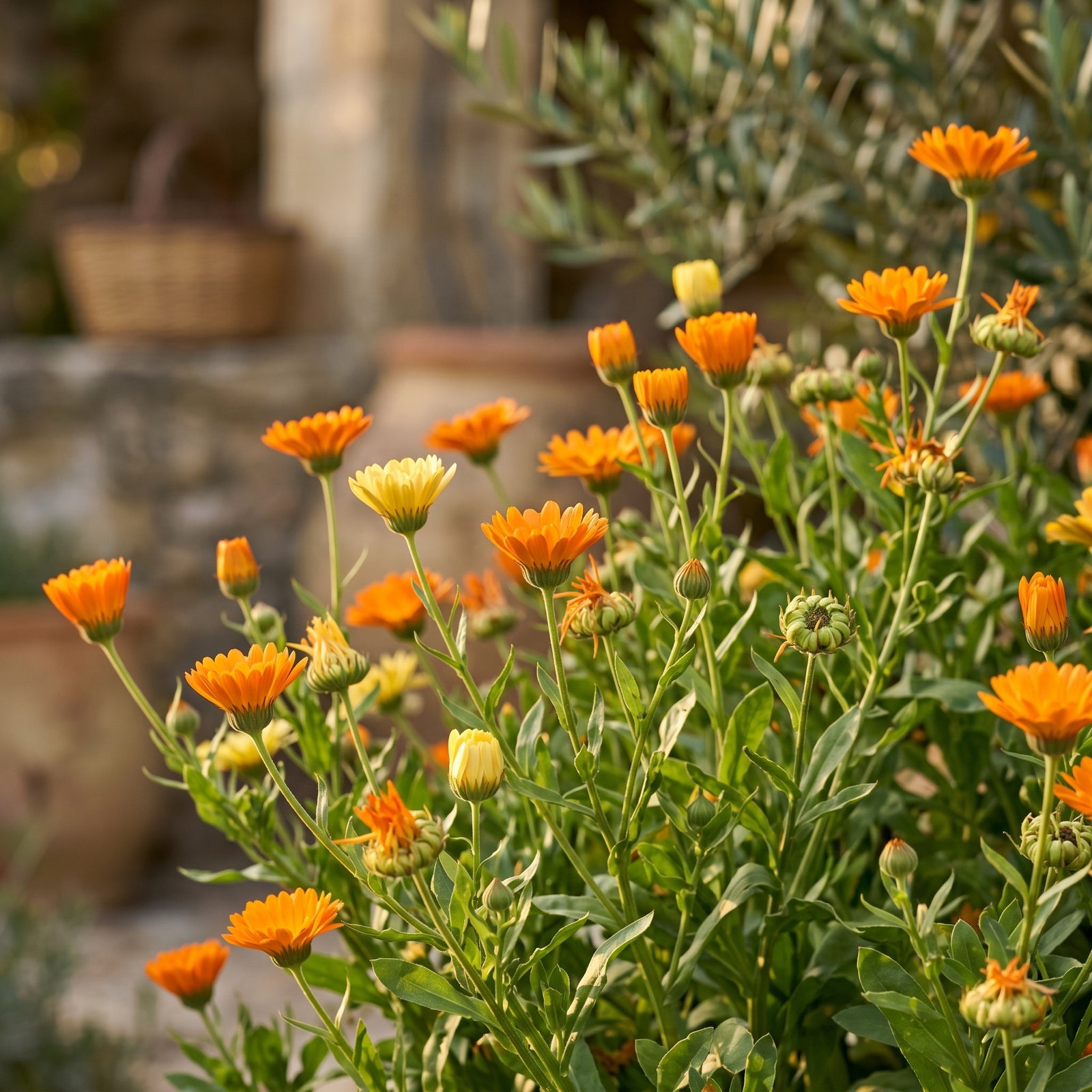
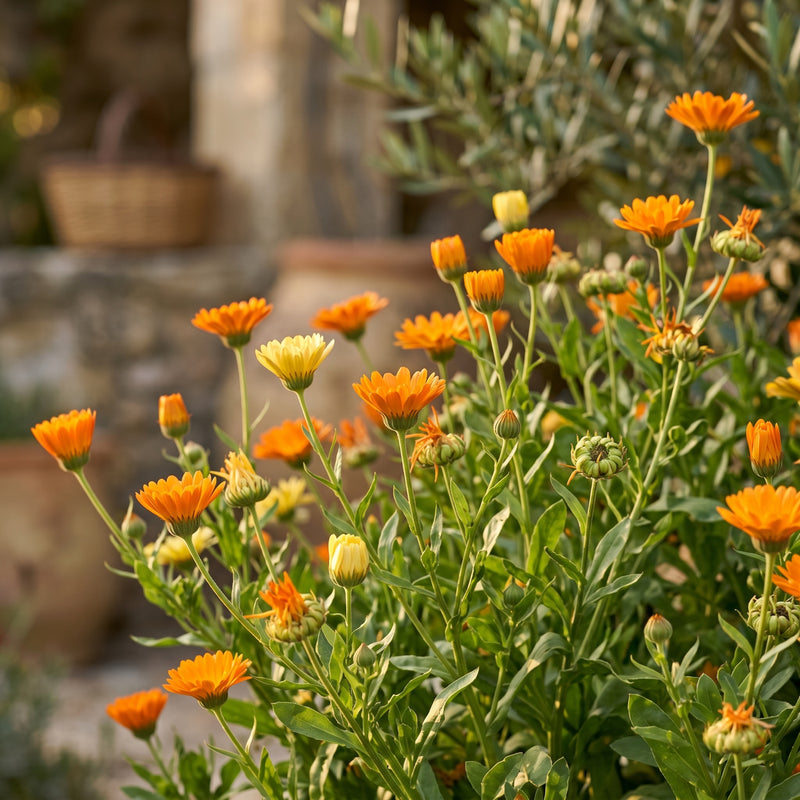
Calendula

Calendula opens with the sun and closes at dusk, a habit gardeners have loved for as long as anyone has kept a garden. It is the flower I would put in nearly every preparation meant to touch delicate skin, and in the postpartum bathing tradition it is the first herb most midwives name. The petals give the infusion its golden color and a gentleness you can see before you feel it. When I blend Mother Mend, calendula goes in first, the way you set the table before the guests arrive.

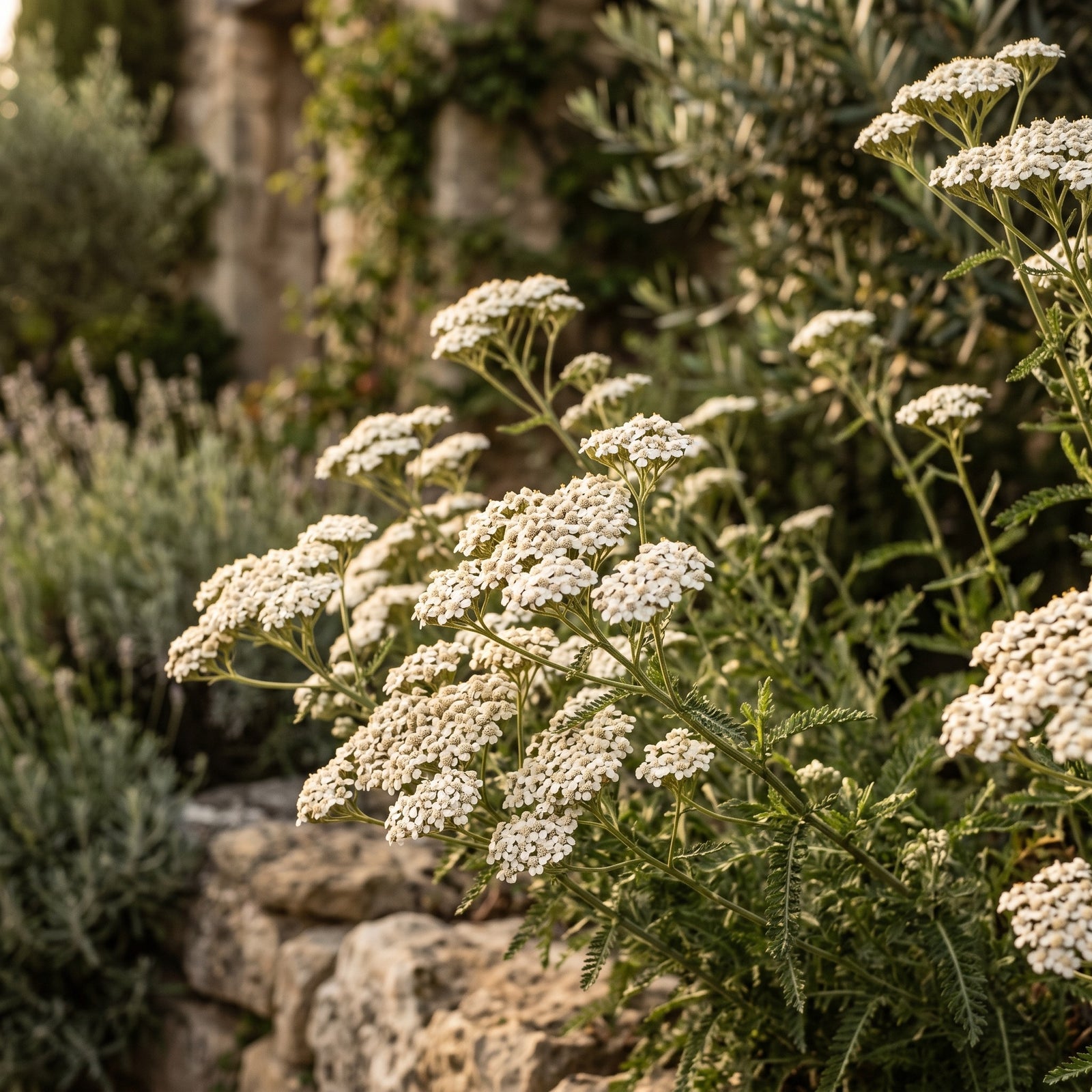
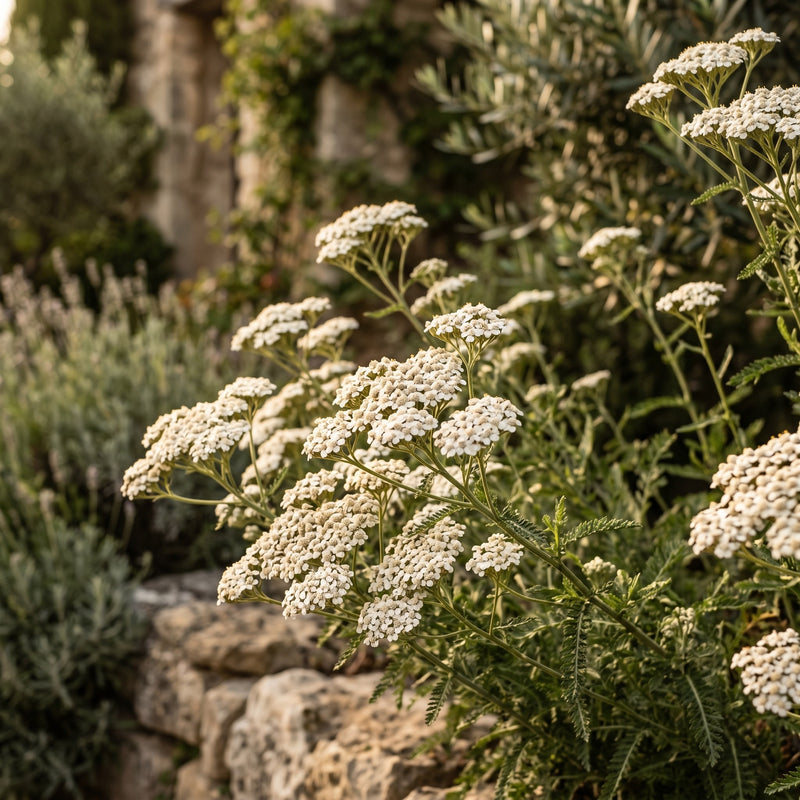
Yarrow

Yarrow grows wild on dry hillsides and roadsides across the West, feathery and unassuming until you learn what it is. It is one of the oldest plants in the human record, carried in stories from Achilles to the village midwife, and it has long held a place in the postpartum bath. I gather it in high summer when the flower heads are fully open and the whole plant smells faintly of resin, dust, and heat. In this blend it brings the old, steadying presence of a plant that has kept company with women's bodies for a very long time.

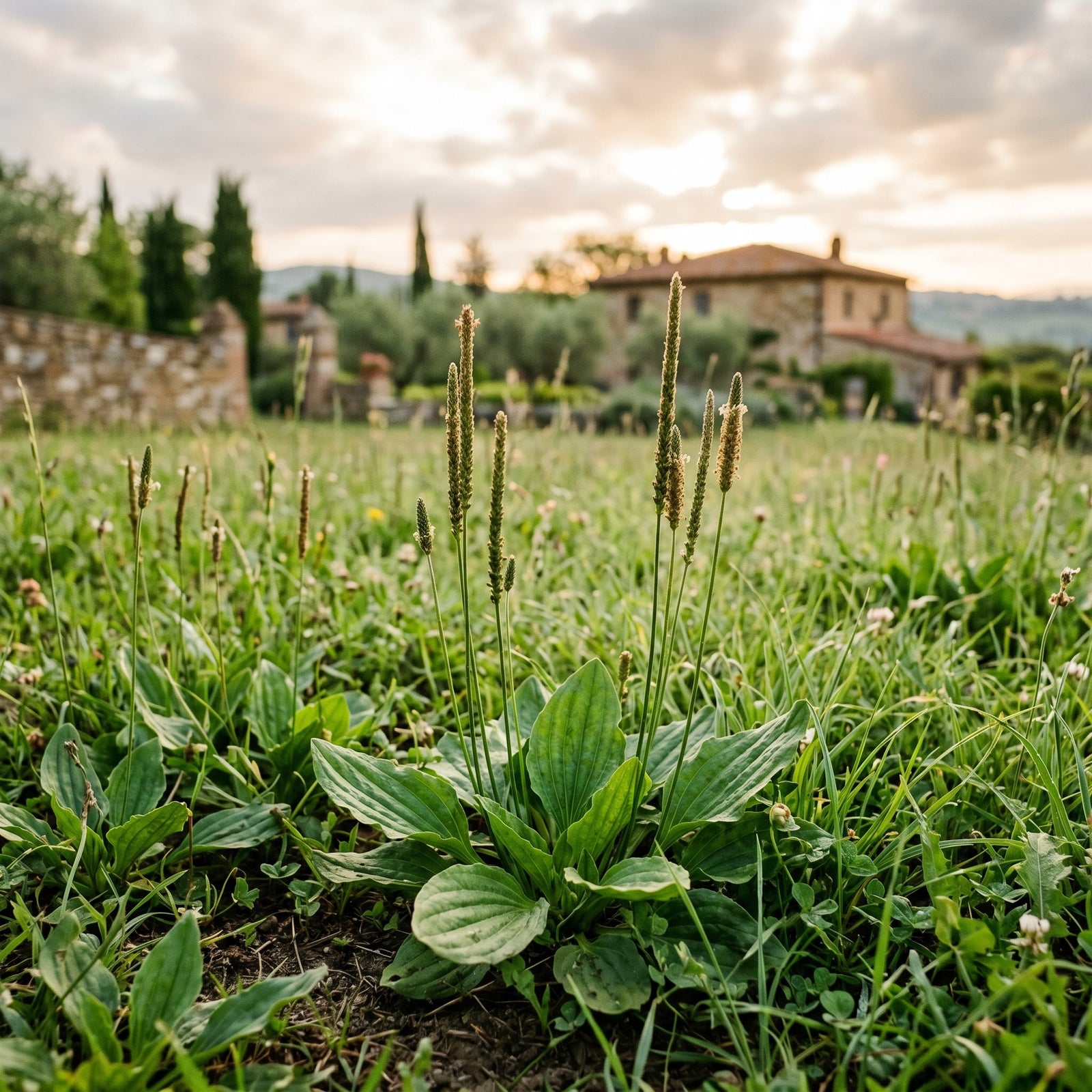
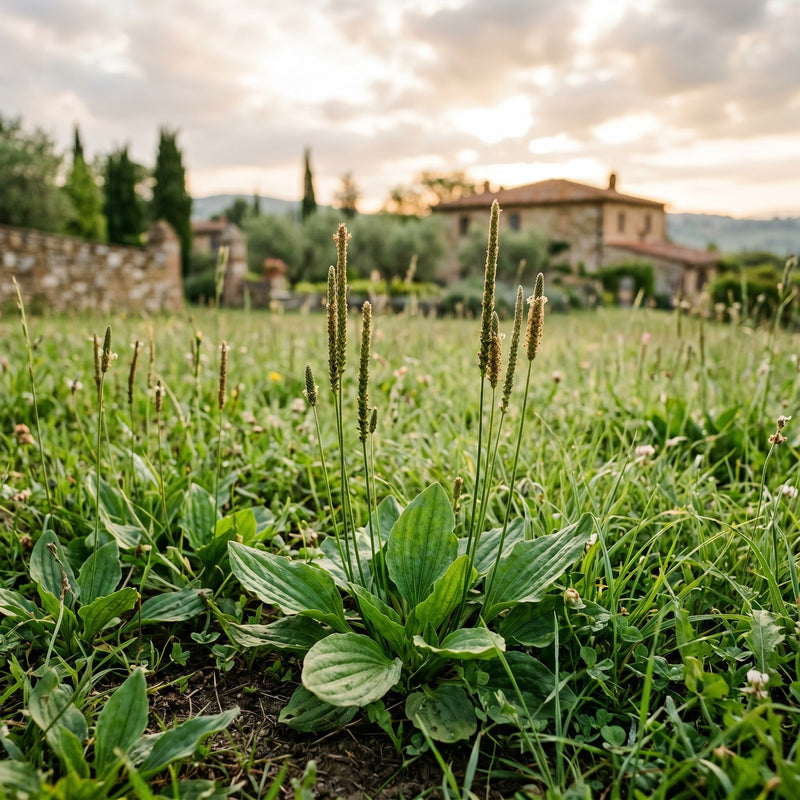
Plantain Leaf

Plantain is the plant most people have stepped over their whole lives: the low rosette of ribbed leaves growing through path edges, dooryards, and sidewalk cracks, so faithful to where people live that it has followed us across continents. Long before it was overlooked, it was one of the first plants a child was taught, the leaf pressed to skin for every small tenderness of an outdoor life. This is broadleaf plantain, Plantago major, the species the old bathing traditions reached for, and in warm water it gives the infusion a quiet, green gentleness that asks nothing in return. I love that the postpartum bath is tended by a plant this humble; the most ordinary growing thing at the door turns out to be one of the most generous.

Comfrey Leaf

Comfrey grows thick and generous along streambanks and old garden edges, with leaves so large they seem made for gathering. In the European bathing tradition its broad leaves were steeped into baths and compresses for the body's most tender seasons. I work with comfrey for external use only, which is how the tradition holds it best, and I will tell you that plainly because an herbalist owes you the whole truth of a plant. In warm water it gives a silky, deep-green softness you can feel the moment you sink in.

Calendula

Calendula opens with the sun and closes at dusk, a habit gardeners have loved for as long as anyone has kept a garden. It is the flower I would put in nearly every preparation meant to touch delicate skin, and in the postpartum bathing tradition it is the first herb most midwives name. The petals give the infusion its golden color and a gentleness you can see before you feel it. When I blend Mother Mend, calendula goes in first, the way you set the table before the guests arrive.

Yarrow

Yarrow grows wild on dry hillsides and roadsides across the West, feathery and unassuming until you learn what it is. It is one of the oldest plants in the human record, carried in stories from Achilles to the village midwife, and it has long held a place in the postpartum bath. I gather it in high summer when the flower heads are fully open and the whole plant smells faintly of resin, dust, and heat. In this blend it brings the old, steadying presence of a plant that has kept company with women's bodies for a very long time.

Plantain Leaf

Plantain is the plant most people have stepped over their whole lives: the low rosette of ribbed leaves growing through path edges, dooryards, and sidewalk cracks, so faithful to where people live that it has followed us across continents. Long before it was overlooked, it was one of the first plants a child was taught, the leaf pressed to skin for every small tenderness of an outdoor life. This is broadleaf plantain, Plantago major, the species the old bathing traditions reached for, and in warm water it gives the infusion a quiet, green gentleness that asks nothing in return. I love that the postpartum bath is tended by a plant this humble; the most ordinary growing thing at the door turns out to be one of the most generous.

Rooted in Lineage. Made with Reverence.

Every formula in this apothecary is made in small batches in Los Angeles, using herbs that are organically grown or seasonally wildcrafted whenever possible. We work with plants at the peak of their potency — harvested in the right season, prepared slowly, and handled with the same reverence we hope you bring to using them.

This is medicine in the oldest sense of the word: plant wisdom, carefully tended, passed forward with care.

Jasmine's Note

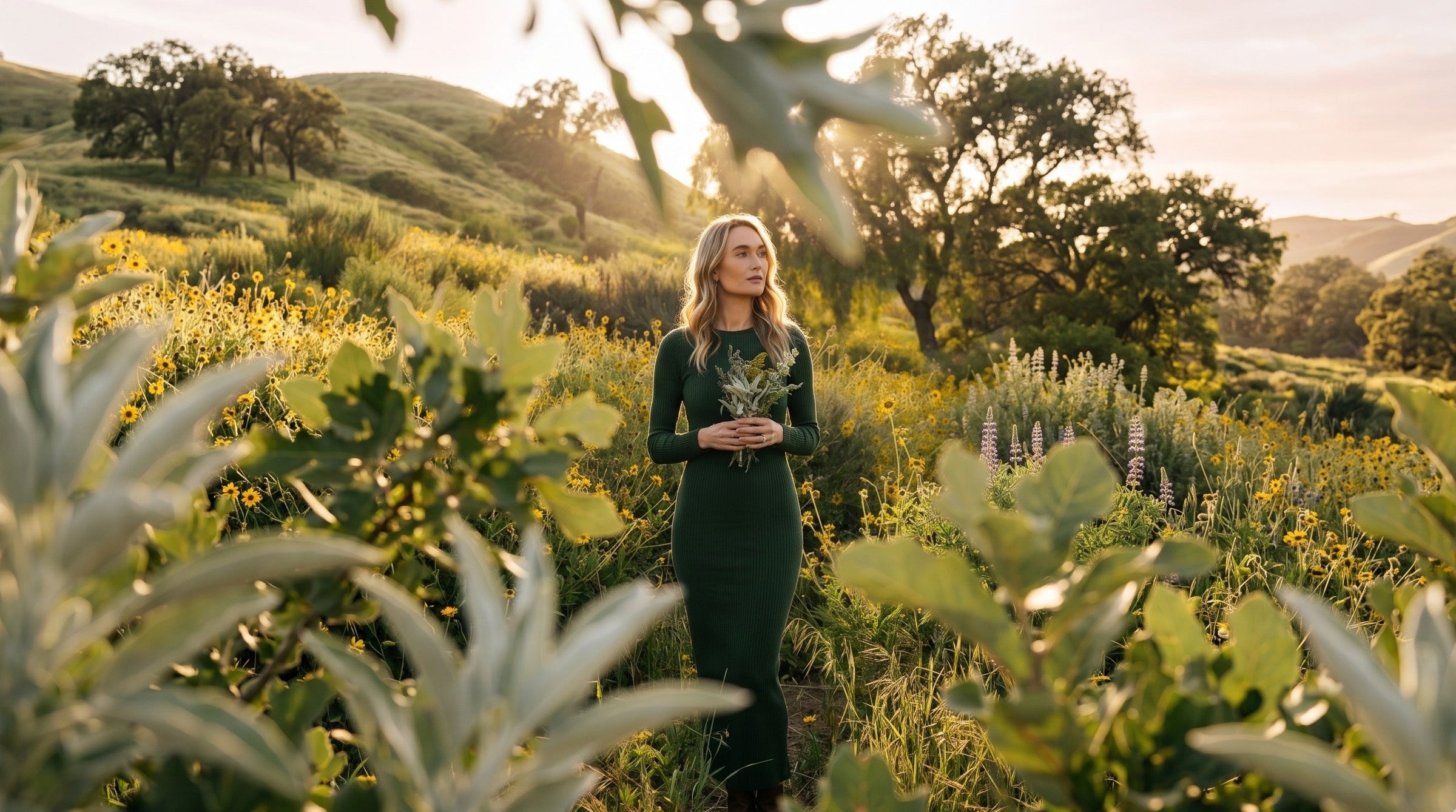
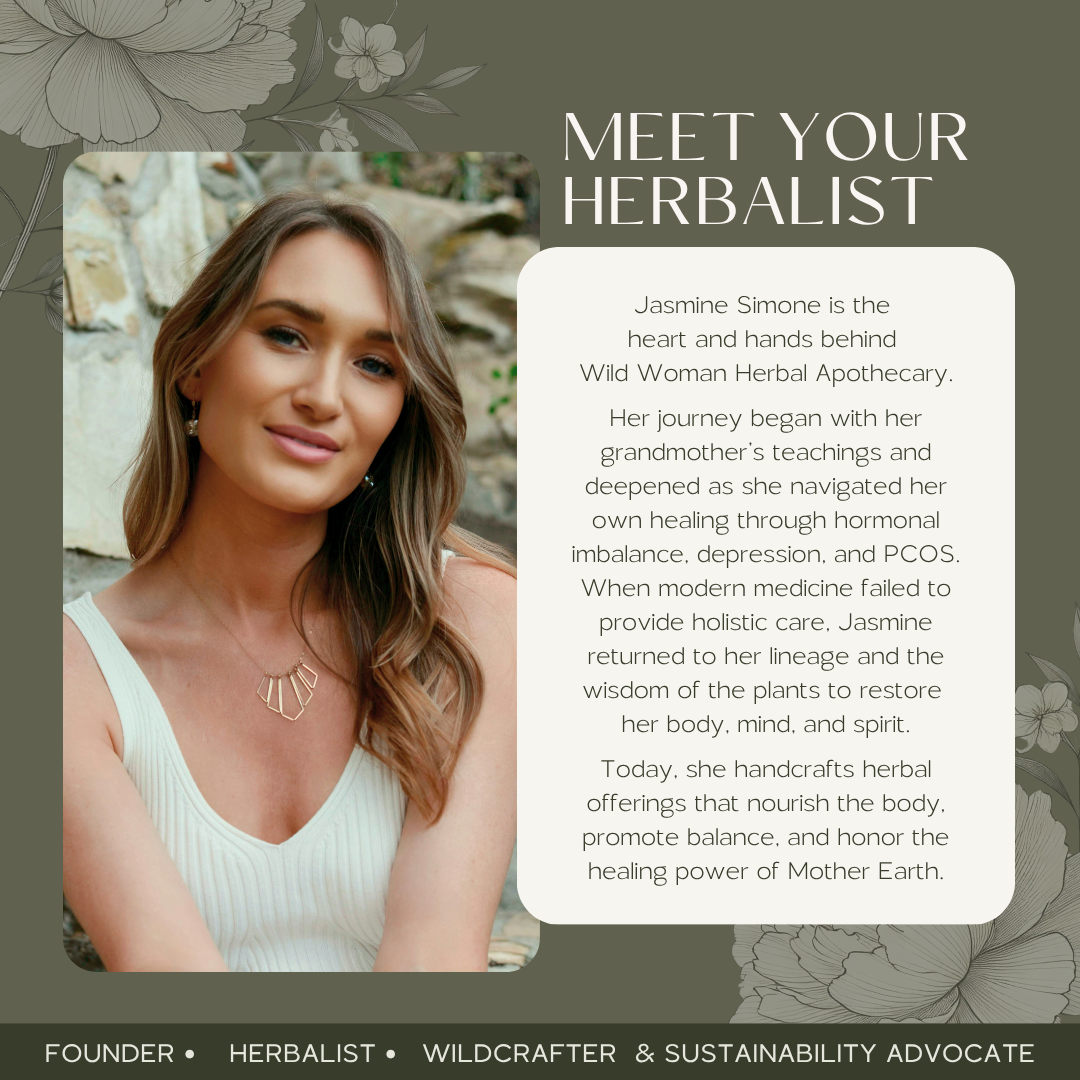
My grandmother didn't call it herbalism. She just knew things — which plants to reach for, which roots to dry, what the earth offered when the body asked. She learned it from her father, who kept a garden in Biloxi and understood plants the way some people understand people. That knowledge passed to her, and quietly, to me.

I didn't fully understand what I'd inherited until my own body started asking questions that medicine couldn't answer. Hormonal chaos, long seasons of depression, the particular exhaustion of feeling disconnected from yourself. I remembered the whisperings. I turned back toward the plants. Everything in this apothecary came from that turning — things I made for myself first, and then for the women in my life who needed the same. I offer them to you the way my grandmother offered what she knew: as a hand extended, as something real.

-Jasmine

Frequently Asked Questions

A Note on Plant Medicine

Plants are powerful — and like any potent thing, they deserve to be used with care and knowledge. These formulas are crafted with intention, but they are not a substitute for medical guidance. Before beginning a new herbal practice, we encourage you to speak with your healthcare provider, especially if you are pregnant, nursing, trying to conceive, managing a health condition, or taking prescription medication. Wild Woman products are not intended to diagnose, treat, cure, or prevent any disease.


These statements have not been evaluated by the Food and Drug Administration. This product is not intended to diagnose, treat, cure, or prevent any disease.

Wild Woman products are crafted to support a slow, intentional wellness practice, not to replace professional medical care. Please consult your healthcare provider before beginning any new herbal practice, especially if you are pregnant, breastfeeding, taking medication, or managing a health condition.

Read our full Wellness Disclaimer →


WARNING: This product may contain chemicals known to the State of California to cause cancer, birth defects, or other reproductive harm.

For more information, visit www.P65Warnings.ca.gov.