






Skip to content

Cart

Your cart is empty

DAILY ADAPTOGENS

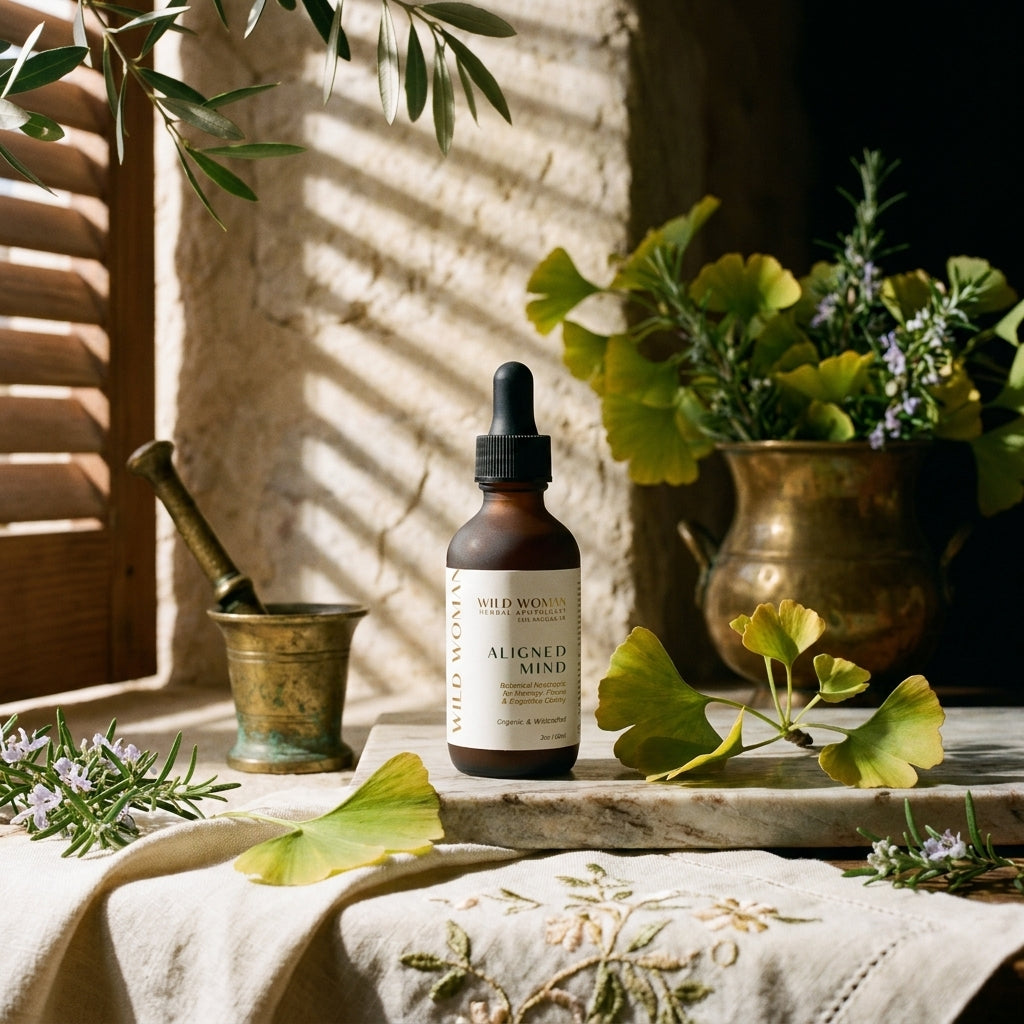
Aligned Mind Tincture

adaptogenic herbs for focus and clarity

Sale price$32.00

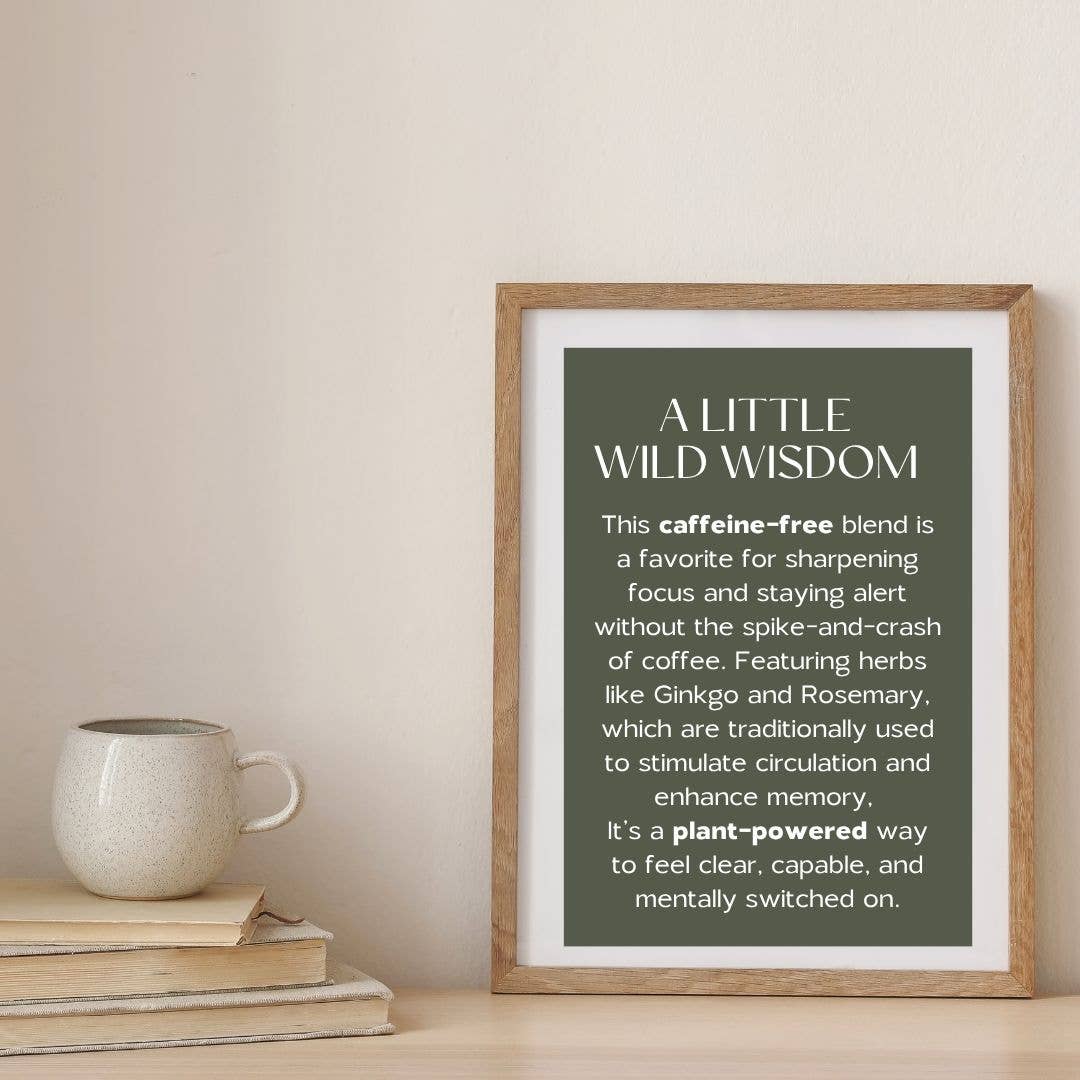
Some days the mind scatters before noon, and what you need is not more stimulation but a herbal tincture for focus and mental clarity that meets the day calmly. Bacopa, lion's mane, ginkgo, gotu kola, rosemary, and eleuthero. Six plants drawn from three traditions of brain-nourishing herbalism, tinctured slowly in small batches in Los Angeles.

bitter · earthy · woody · faintly sweet · clarifying

Aligned Mind Tincture
Aligned Mind Tincture Sale price$32.00

Aligned Mind

PRODUCT DETAILS

The Plants

There is a Sanskrit phrase for the herbs that nourish the mind: medhya rasayana. Across centuries of Ayurvedic practice, certain plants were named in this category not because they were used for one thing, but because they tended to the whole intelligence of the body and mind together over time. Bacopa is one. Gotu Kola is another. This formula begins there.

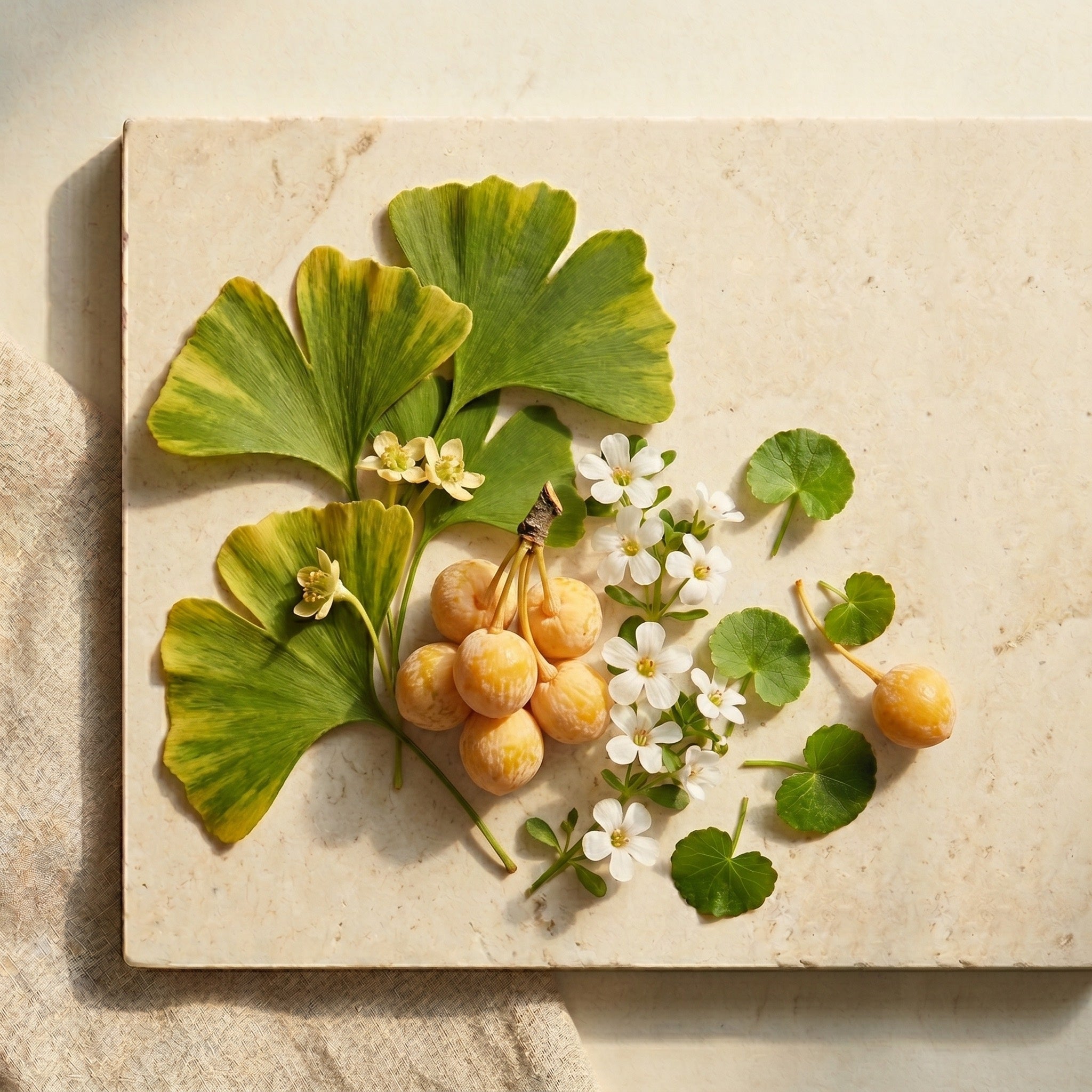
What it adds is the rest of the constellation. Ginkgo from the Western herbal tradition, working at the level of circulation, the simple necessity of bringing oxygen and nutrients to the place that needs to think. Rosemary, which Western herbalists have used in relation to memory since at least the time of Shakespeare. Lion's Mane, the functional mushroom with a long traditional use across East Asia and a growing body of modern research behind it. And Eleuthero, the adaptogen from Chinese and Russian herbal practice, which supports the body's broader capacity to meet sustained mental demand without collapsing.

Where a single-ingredient tincture targets one pathway, Aligned Mind works across several. Circulation, nervous system resilience, memory, and the kind of calm presence that allows you to stay with a thought instead of jumping to the next one. This is the difference between a stimulant and a tonic. A stimulant pushes the body forward. A tonic builds the conditions for the body to think clearly on its own.

Tasting Notes

Tasting Notes

bitter · earthy · woody · faintly sweet

Ritual Moment

Ritual Moment

morning · the working hours

Season of Life

Season of Life

the years of focused work

Energetics

Energetics

Grounded clarity

Tasting Notes

Tasting Notes

bitter · earthy · woody · faintly sweet

Ritual Moment

Ritual Moment

morning · the working hours

Season of Life

Season of Life

the years of focused work

Energetics

Energetics

Grounded clarity

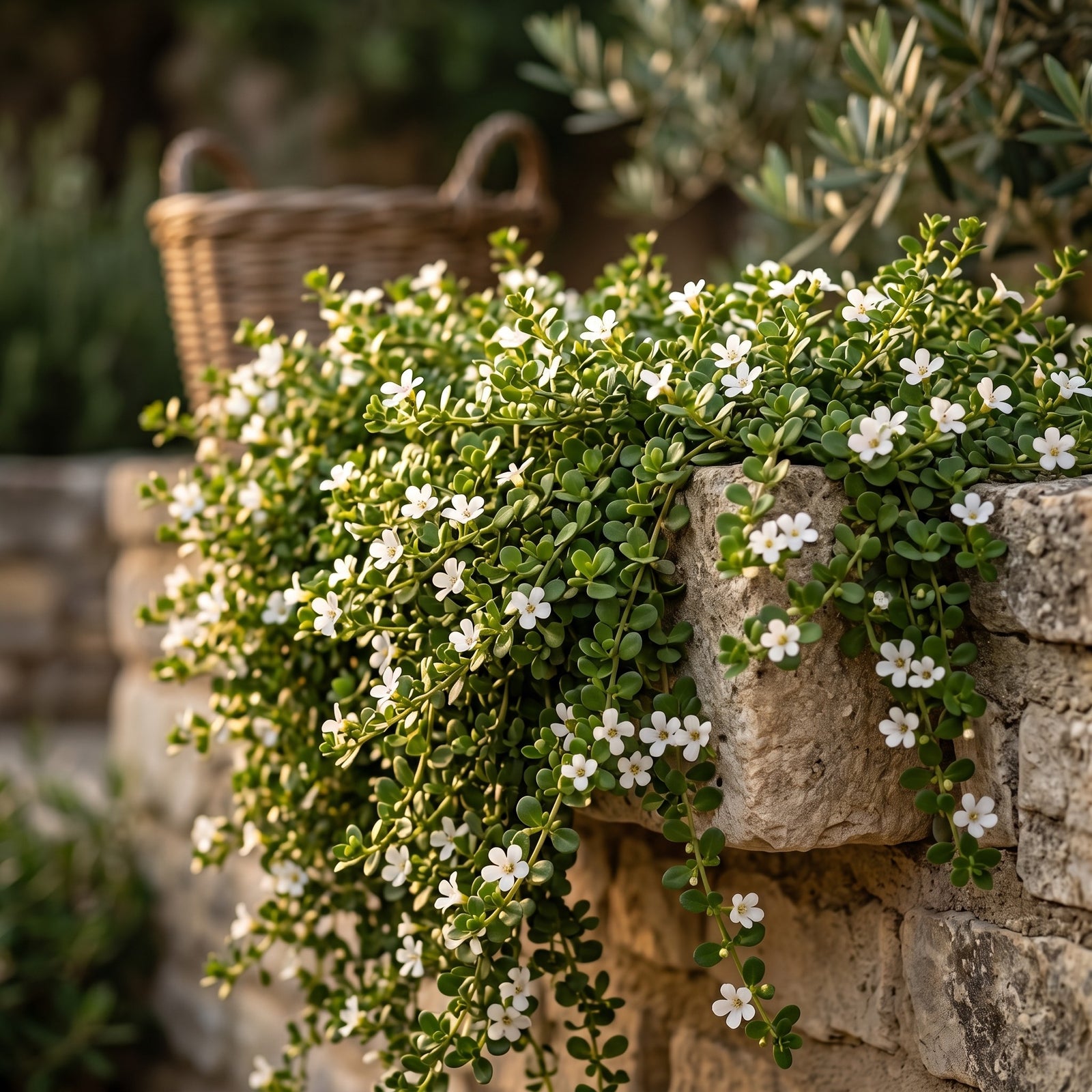
Bacopa

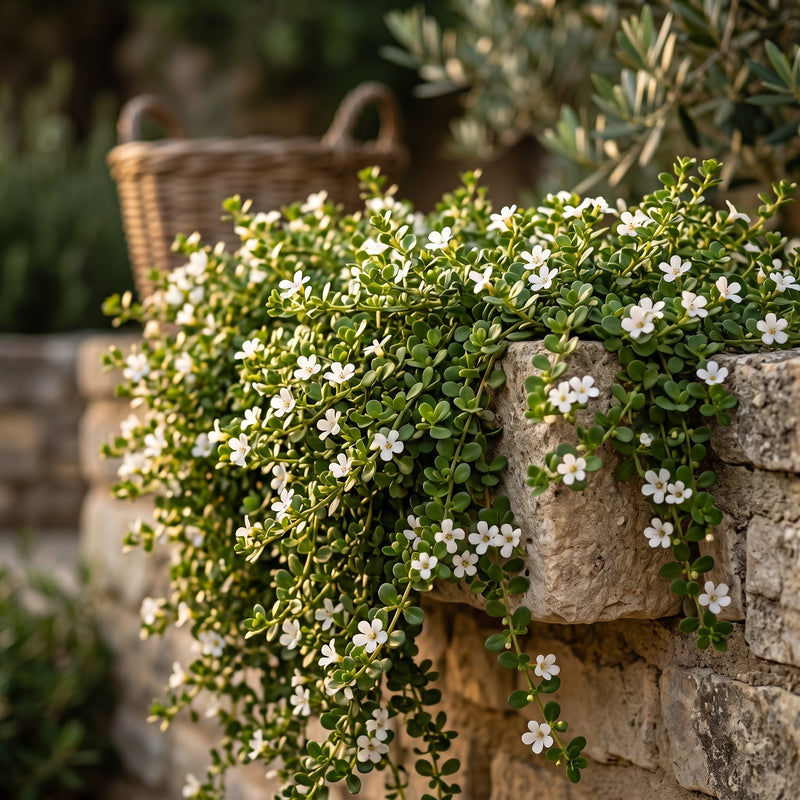
Bacopa grows low to the wet ground in southern India and Sri Lanka, a creeping herb that does not look like anything in particular until you know its name. In Ayurveda it is called brahmi, a word that refers to expanded awareness, and the tradition classifies it as a medhya rasayana, an herb that nourishes the mind over time. The plant asks for patience in return. Bacopa is the slow accumulator of this formula, the one whose work shows up after weeks of consistent practice rather than after a single dose. I think of it as the patient teacher in the room.

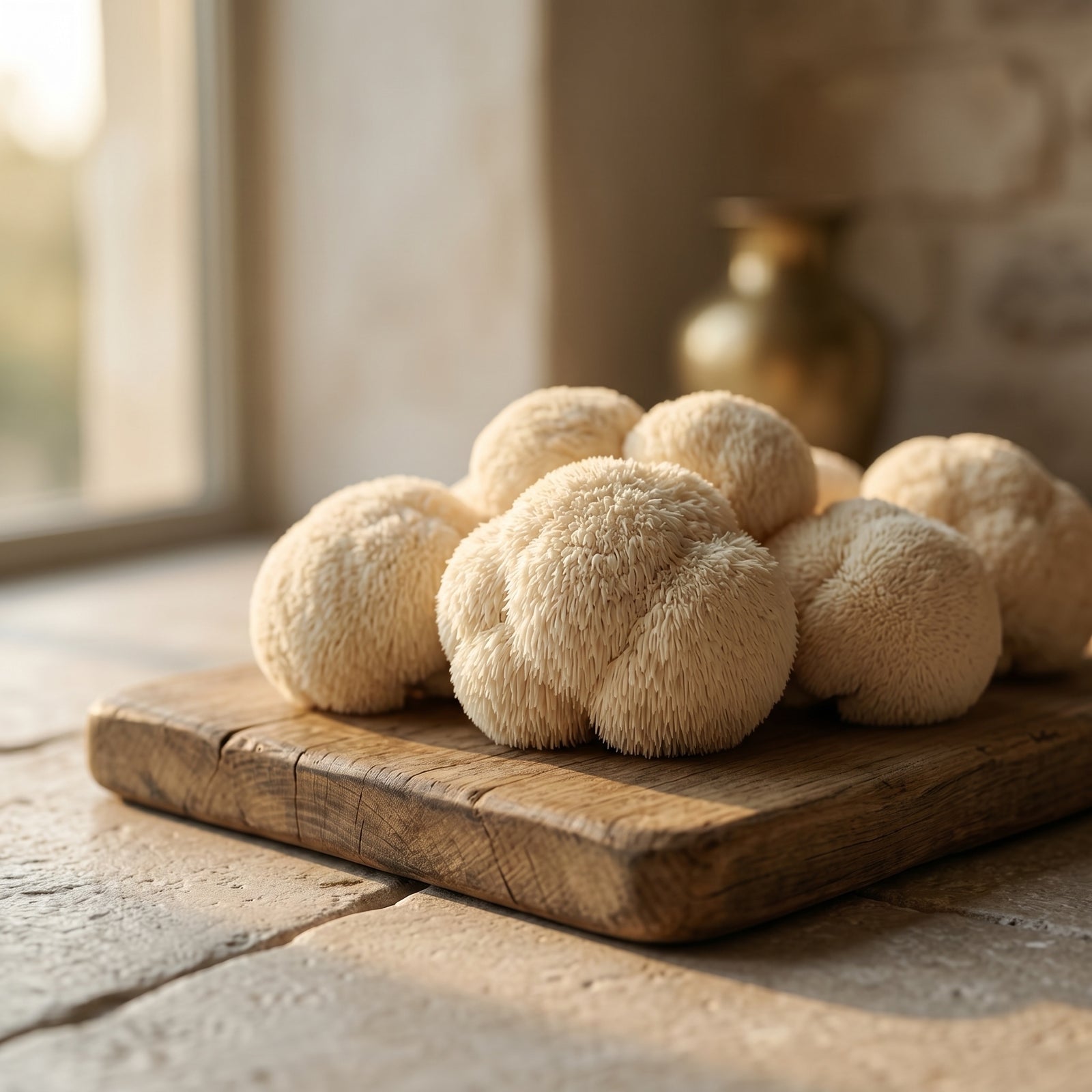
Lion's Mane

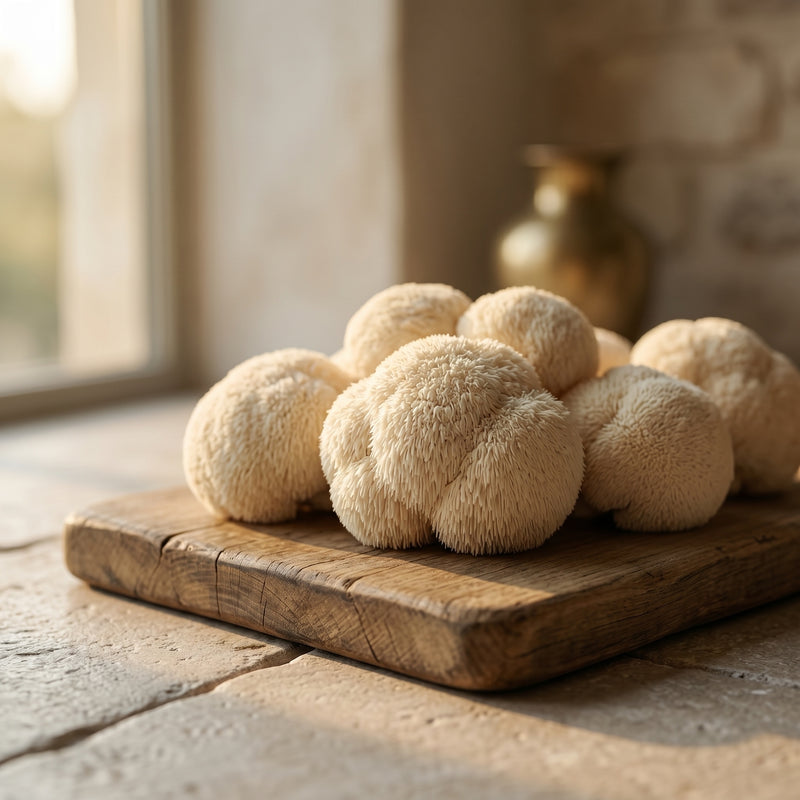
Lion's Mane fruits on hardwood trees in temperate forests across the northern hemisphere, hanging in long white cascades that look very little like the mushrooms most people picture. It has been used in traditional East Asian medicine for centuries, and has more recently become one of the most studied mushrooms in the modern functional-mushroom literature. In this formula Lion's Mane is not the hero. It is one botanical inside a constellation, present for the role it plays in nourishing the broader system rather than for its work alone. The standalone Lion's Mane Tincture in this apothecary is the single-ingredient version, made for the woman who wants that focused preparation.

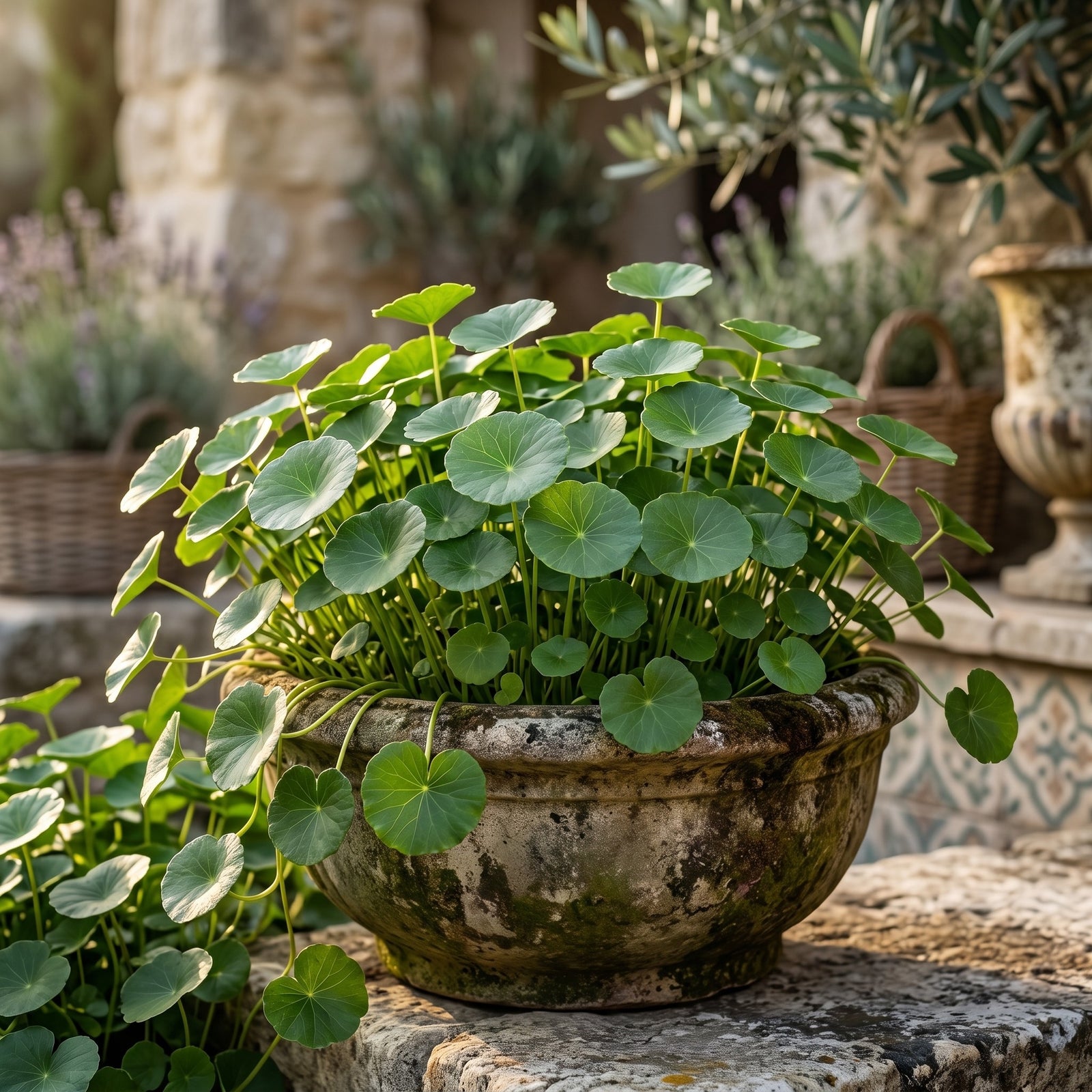
Gotu Kola

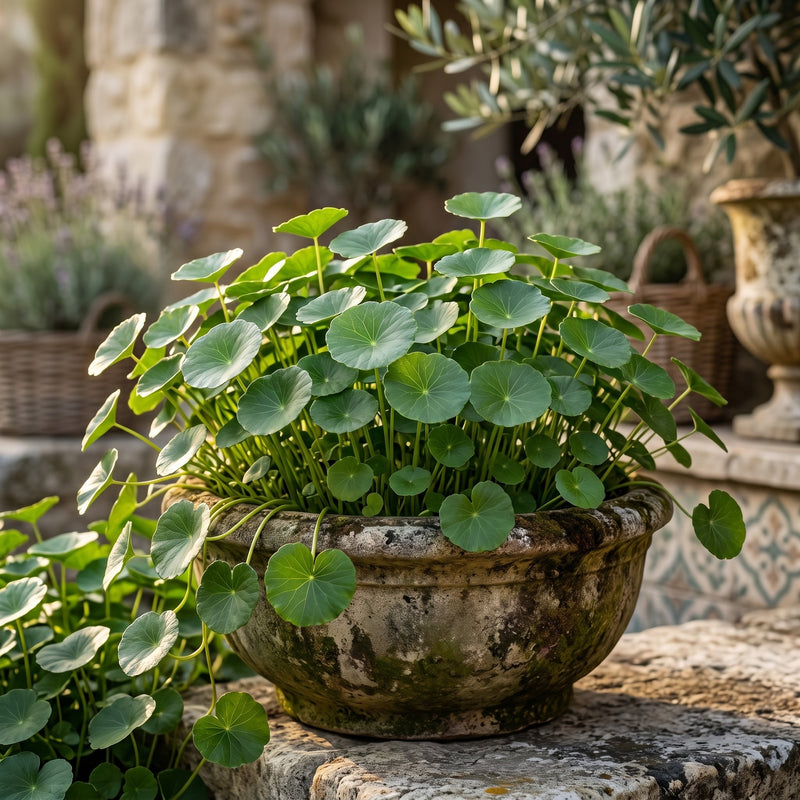
Gotu Kola grows in damp ground across India, Sri Lanka, Indonesia, and parts of southern China, often near rice paddies, often considered a weed by people who do not know what it is. In both Ayurvedic and Chinese herbal traditions it is classified alongside Bacopa as one of the medhya rasayana herbs, the plants that tend to the long quiet work of mental clarity and nervous system resilience over time. The Sinhalese have a saying I have heard repeated: two leaves a day keeps old age away. I do not know whether it is meant literally or metaphorically. Both, probably. Gotu Kola asks the body to slow down and the mind to clear, at the same time.

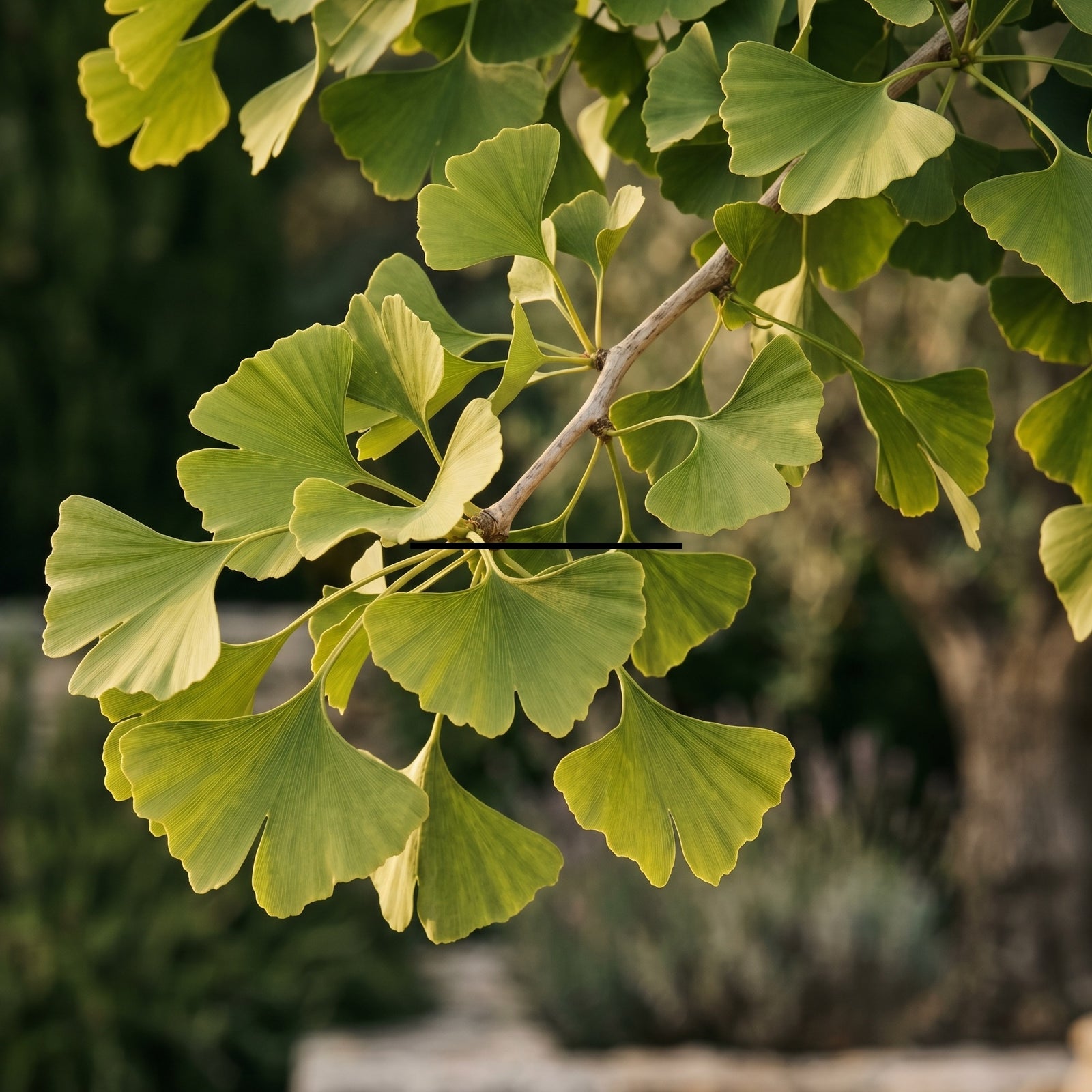
Ginkgo

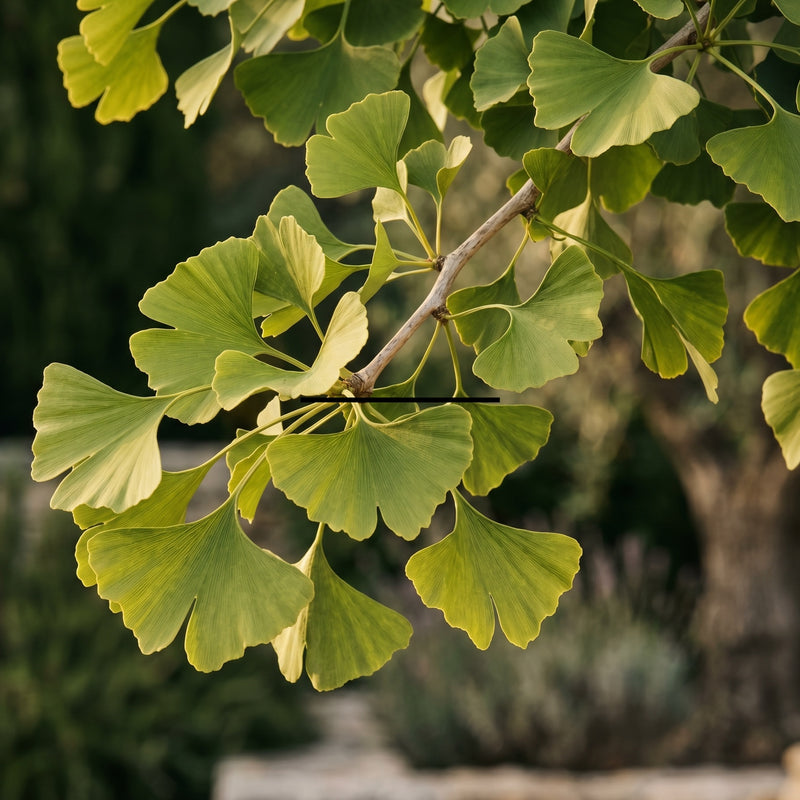
Ginkgo is the oldest tree on earth. The species predates dinosaurs by about a hundred million years and has not meaningfully changed since. Western herbalists have used it in relation to circulation for at least a thousand years, and modern research has affirmed what tradition already understood: this is a plant that supports the body's ability to bring blood and oxygen to where it is needed, including the brain. In this formula Ginkgo is the circulatory thread. The plant that quietly addresses one of the simplest reasons clarity becomes hard, which is that thinking requires good circulation, and good circulation is something we tend to neglect until we cannot.

Bacopa

Bacopa grows low to the wet ground in southern India and Sri Lanka, a creeping herb that does not look like anything in particular until you know its name. In Ayurveda it is called brahmi, a word that refers to expanded awareness, and the tradition classifies it as a medhya rasayana, an herb that nourishes the mind over time. The plant asks for patience in return. Bacopa is the slow accumulator of this formula, the one whose work shows up after weeks of consistent practice rather than after a single dose. I think of it as the patient teacher in the room.

Lion's Mane

Lion's Mane fruits on hardwood trees in temperate forests across the northern hemisphere, hanging in long white cascades that look very little like the mushrooms most people picture. It has been used in traditional East Asian medicine for centuries, and has more recently become one of the most studied mushrooms in the modern functional-mushroom literature. In this formula Lion's Mane is not the hero. It is one botanical inside a constellation, present for the role it plays in nourishing the broader system rather than for its work alone. The standalone Lion's Mane Tincture in this apothecary is the single-ingredient version, made for the woman who wants that focused preparation.

Gotu Kola

Gotu Kola grows in damp ground across India, Sri Lanka, Indonesia, and parts of southern China, often near rice paddies, often considered a weed by people who do not know what it is. In both Ayurvedic and Chinese herbal traditions it is classified alongside Bacopa as one of the medhya rasayana herbs, the plants that tend to the long quiet work of mental clarity and nervous system resilience over time. The Sinhalese have a saying I have heard repeated: two leaves a day keeps old age away. I do not know whether it is meant literally or metaphorically. Both, probably. Gotu Kola asks the body to slow down and the mind to clear, at the same time.

Ginkgo

Ginkgo is the oldest tree on earth. The species predates dinosaurs by about a hundred million years and has not meaningfully changed since. Western herbalists have used it in relation to circulation for at least a thousand years, and modern research has affirmed what tradition already understood: this is a plant that supports the body's ability to bring blood and oxygen to where it is needed, including the brain. In this formula Ginkgo is the circulatory thread. The plant that quietly addresses one of the simplest reasons clarity becomes hard, which is that thinking requires good circulation, and good circulation is something we tend to neglect until we cannot.

The Ritual

Practices that support the plants

Honor yourself

Just one thing

The Zen monastic tradition of beginning each day by identifying the one most important act — not a task list, not an intention, but a single thing that, if done with full attention, would make the day complete. Spoken aloud before rising. A practice of cutting through the noise of obligation and recovering the thread of one's own genuine priority. The adaptogenic equivalent of the nervous system: not more, but a stronger signal.

Return to the body

Nadi Shodhana

The Sanskrit name is Nadi Shodhana, the channel-cleansing breath. Close the right nostril with the thumb and breathe in slowly through the left. Switch fingers, close the left, exhale through the right. Continue for three to five minutes. In yogic traditions this practice is said to balance the two channels of breath the body runs on, returning the mind to a place where it can think without straining.

Remember the earth

Mycelial Contemplation

Sit at the base of a tree and direct your awareness downward, beneath the surface of the visible world, to the mycelial network below. This is not observation of what is visible. It is a contemplative practice of extending awareness into the hidden network of communication and nourishment that makes the forest function as one organism. The Lion's Mane in this tincture was born of this network. It carries the knowledge of the forest. Tap into it.

Rooted in Lineage. Made with Reverence.

Every formula in this apothecary is made in small batches in Los Angeles, using herbs that are organically grown or seasonally wildcrafted whenever possible. We work with plants at the peak of their potency — harvested in the right season, prepared slowly, and handled with the same reverence we hope you bring to using them.

This is medicine in the oldest sense of the word: plant wisdom, carefully tended, passed forward with care.

Jasmine's Note

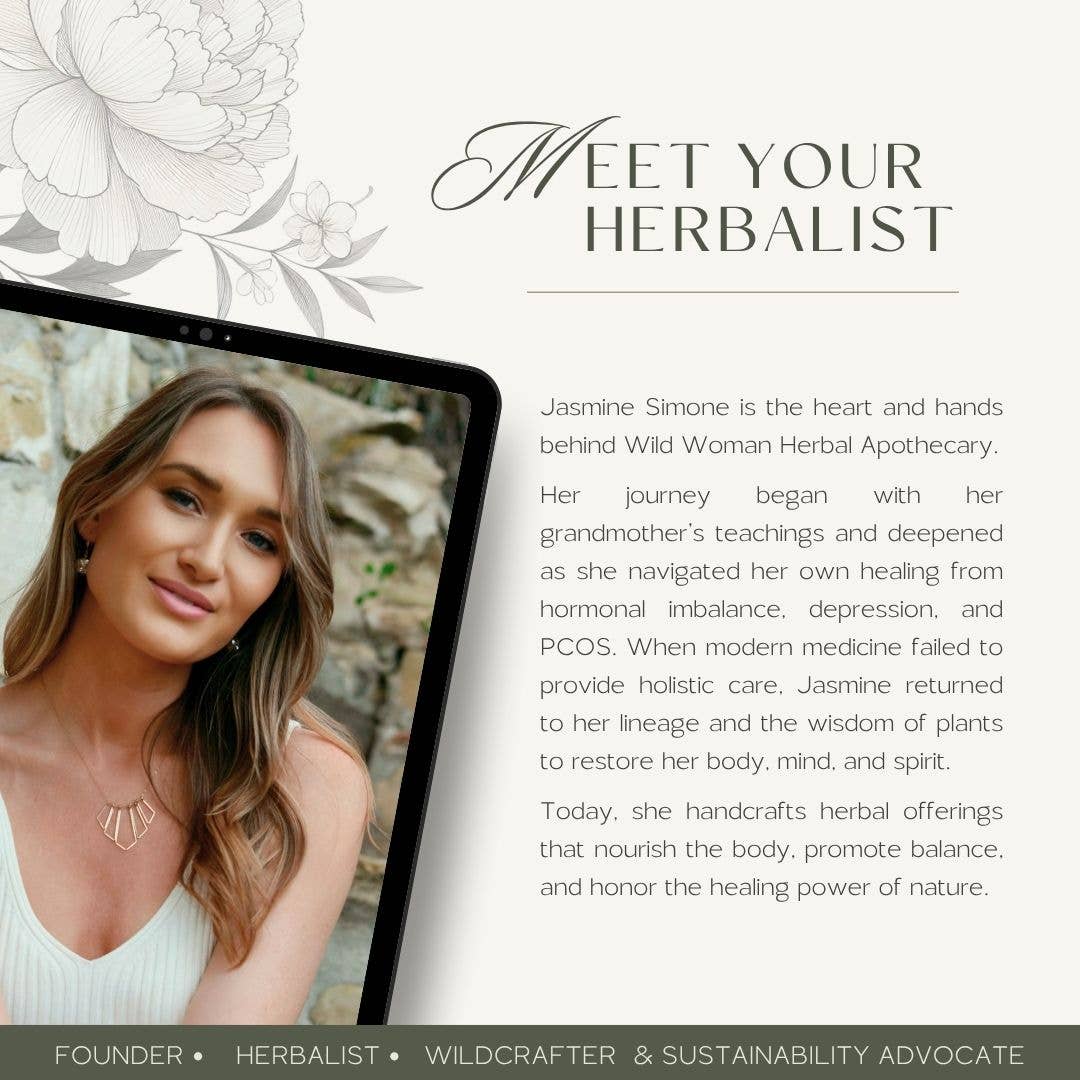
My grandmother didn't call it herbalism. She just knew things — which plants to reach for, which roots to dry, what the earth offered when the body asked. She learned it from her father, who kept a garden in Biloxi and understood plants the way some people understand people. That knowledge passed to her, and quietly, to me.

I didn't fully understand what I'd inherited until my own body started asking questions that medicine couldn't answer. Hormonal chaos, long seasons of depression, the particular exhaustion of feeling disconnected from yourself. I remembered the whisperings. I turned back toward the plants. Everything in this apothecary came from that turning — things I made for myself first, and then for the women in my life who needed the same. I offer them to you the way my grandmother offered what she knew: as a hand extended, as something real.

-Jasmine

Frequently Asked Questions

A Note on Plant Medicine

Plants are powerful — and like any potent thing, they deserve to be used with care and knowledge. These formulas are crafted with intention, but they are not a substitute for medical guidance. Before beginning a new herbal practice, we encourage you to speak with your healthcare provider, especially if you are pregnant, nursing, trying to conceive, managing a health condition, or taking prescription medication. Wild Woman products are not intended to diagnose, treat, cure, or prevent any disease.


These statements have not been evaluated by the Food and Drug Administration. This product is not intended to diagnose, treat, cure, or prevent any disease.

Wild Woman products are crafted to support a slow, intentional wellness practice, not to replace professional medical care. Please consult your healthcare provider before beginning any new herbal practice, especially if you are pregnant, breastfeeding, taking medication, or managing a health condition.

Read our full Wellness Disclaimer →


WARNING: This product may contain chemicals known to the State of California to cause cancer, birth defects, or other reproductive harm.

For more information, visit www.P65Warnings.ca.gov.